
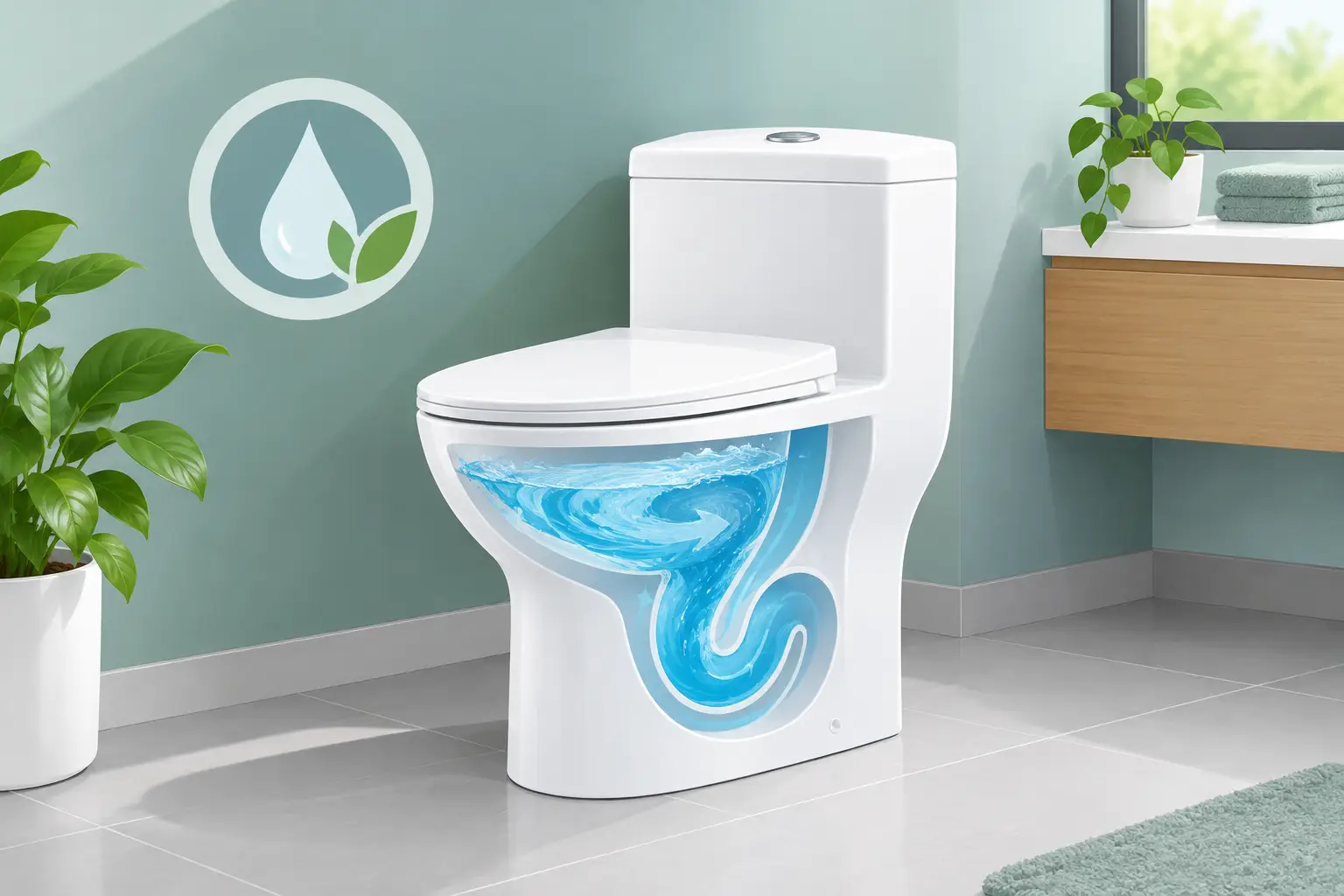
A toilet that needs two or three flushes is not saving water, no matter what the label says. The best water efficient toilets use less water per flush while still clearing the bowl reliably the first time. For homeowners, landlords, and sellers, that means lower water use without swapping one annoyance for another.
Modern high-efficiency toilets have come a long way from the early low-flow models that earned a reputation for weak flushing. A good replacement combines the right gallons-per-flush rating with a properly engineered trapway, flush valve, bowl design, and tank system. Those details matter much more than a marketing claim on the box.
What makes a toilet water efficient?
Most older toilets use 3.5 gallons per flush, and some homes still have fixtures using 5 gallons or more. A modern high-efficiency toilet typically uses 1.28 gallons per flush or less. Over a year, the difference can be substantial, especially in a busy household or a rental with several occupants.
The 1.28-gallon standard is a practical sweet spot for most homes. It reduces water use by about 20% compared with a standard 1.6-gallon toilet, yet quality models from Kohler, American Standard, and TOTO can provide a strong, consistent flush. A toilet using 1.0 gallon per flush may make sense in the right bathroom, but it is worth considering the household before going that low. In a home with frequent heavy use, reliable bowl clearing is usually more valuable than chasing the smallest possible number.
Water efficiency is not just about the tank capacity. A larger flush valve releases water quickly, a smooth fully glazed trapway helps waste move through the fixture, and well-designed bowl rinsing keeps the surface cleaner after each flush. Those are the features that prevent the familiar problems of streaking, clogs, and repeat flushing.
The real test: one flush, a clean bowl, no drama
A water-saving toilet should not require a special technique. You should not have to hold the lever down, wait for the tank to refill, or keep a plunger nearby because the toilet handles ordinary use poorly.
When we replace old toilets across Fairfax County, Loudoun County, and Northern Virginia, the common complaints are specific: the bowl does not clear, paper hangs in the trap, the toilet leaves residue after flushing, or the tank seems to run longer than it should. Sometimes the toilet itself is old and inefficient. Other times, worn internal parts have made an otherwise decent toilet unreliable. If the fixture is stained, cracked, loose at the floor, or repeatedly clogging, replacement is often the cleaner long-term answer.
A strong modern flush does not need to be loud. Some pressure-assisted toilets are powerful but can be noticeably noisy, which may not suit a powder room near a living area. Gravity-fed models are quieter and are the best fit for many homes. The right choice depends on the bathroom location, the users, and whether maximum flushing force or quiet everyday operation matters more.
Single flush or dual flush?
A single-flush toilet uses the same amount of water every time. With a quality 1.28-gallon model, that can be simple, effective, and easy for guests or tenants to use correctly.
Dual-flush toilets offer a reduced flush for liquid waste and a full flush for solids. They can save additional water when everyone in the home uses the buttons as intended. The trade-off is a slightly more complicated tank mechanism and an extra decision at every flush. For a rental property or a home where simplicity is the priority, a proven single-flush model is often the more practical pick.
Water savings depend on your current toilet
Replacing a 1.6-gallon toilet with a 1.28-gallon toilet saves water, but the biggest improvement comes when the existing fixture is much older. A 3.5-gallon toilet replaced with a 1.28-gallon model uses roughly 2.22 fewer gallons per flush. In a household that flushes many times a day, that adds up quickly.
There is another issue homeowners often miss: a running toilet can waste far more water than any efficient model can save. You may hear a brief refill every few minutes, notice water trickling into the bowl, or see a higher-than-normal water bill. Replacing a failed flapper may solve some cases, but older toilets with recurring leaks, poor flushing, and hard-to-clean bowls are often ready to be retired rather than repaired again.
Choose the right fit before choosing the flush
A toilet can have excellent water-saving performance and still be the wrong replacement if it does not fit the bathroom. The rough-in measurement, which is the distance from the finished wall to the center of the drain, is the first thing to confirm. Twelve inches is common, but 10-inch and 14-inch rough-ins are found in older homes and certain layouts.
Bowl shape matters, too. Elongated bowls are generally more comfortable for adults, but a round-front bowl can preserve valuable knee room in a tight hall bath. Comfort-height toilets sit a little taller than traditional standard-height models and are popular with many homeowners, older adults, and people who simply prefer easier sitting and standing.
For cleaning, a skirted toilet can be a meaningful upgrade. Traditional toilets have exposed bends and bolt areas that collect dust and make wiping around the base more tedious. A skirted design has smooth sides, which gives the bathroom a cleaner look and makes routine cleaning faster. It is not required for water efficiency, but it is often worth considering when replacing a toilet that has become difficult to keep presentable.
When replacement is better than another repair
A toilet does not have to be shattered to justify replacement. Hairline cracks in the tank or bowl, water at the base, persistent rocking, corrosion around mounting bolts, and frequent clogs are all signs to take seriously. A toilet that rocks can damage the wax seal beneath it, leading to leaks that may not be obvious until flooring or subflooring is affected.
Age also matters. An outdated toilet may use too much water, have a weak flush, and lack readily available parts. If you are preparing a home for sale, replacing a visibly worn or mismatched toilet can also improve how the bathroom presents. For landlords and property managers, a reliable water-efficient fixture can reduce tenant complaints about clogs, running water, and unstable seating.
What professional replacement should include
Toilet replacement looks straightforward until the old fixture comes off. The installer needs to inspect the flange, confirm the new toilet sits level, use the correct seal, connect the water supply cleanly, and test several flushes before leaving. Overtightening porcelain can cause damage. Leaving a toilet slightly unstable is not acceptable. Neither is hauling away the old fixture as an afterthought.
A standard replacement should be simple for the homeowner: delivery of the new toilet, removal of the old one, professional installation, testing, and legal disposal. ToiletKing focuses only on toilet replacement, so the process is designed to be completed in under an hour for a standard installation, without sending you to coordinate a retailer, a delivery service, and separate disposal.
For budget-focused replacements, the Essential tier starts at $499. Performance packages start at $669, Signature options start at $799, and King’s Throne selections start at $1,049. Specific pricing varies by toilet model and the features you choose, such as comfort height, skirted sides, upgraded flushing, or bidet compatibility.
A water-efficient toilet should make the bathroom easier to live with, not give you one more thing to think about. If your current toilet runs, clogs, rocks, leaks, or simply uses more water than it should, call ToiletKing at (571) 326-8708 for a free consultation. Ask about the current FIVEOFF promo code, and let us handle the replacement from old fixture to clean, tested new toilet.